

Fragrance Oils and Your Pets: What Every Pet Parent Should Know
Lighting a cosy candle, spraying a linen mist, or diffusing a favourite scent can instantly transform your home’s vibe. Many of those lovely aromas come from fragrance oils—synthetic or blended scents that mimic everything from fresh-baked cookies to ocean breezes.
But if you share your space with pets, you might be wondering:
Are fragrance oils safe around cats, dogs, and other animals?
Let’s dive into the facts so you can keep your home smelling amazing and keep your furry (or feathered) family safe.
✨ What Are Fragrance Oils, Exactly?
Fragrance oils are lab‑created aromatic compounds. Unlike essential oils, which are natural plant extracts, fragrance oils are designed purely to create a specific scent. Some are inspired by nature—like lavender or sandalwood—and others are entirely imaginative, like “birthday cake” or “autumn nights.”
Because they’re synthetic, manufacturers can tweak them for stronger, longer‑lasting scents, which is why they’re so popular in:
-
Candles
-
Wax melts
-
Room sprays
-
Soaps and lotions
-
Plug‑in air fresheners
🐾 How Fragrance Oils Can Affect Pets

Here’s the tricky part: our pets are much smaller than us, and their bodies process chemicals very differently. Fragrance oils can release volatile organic compounds (VOCs) that, in high amounts, irritate sensitive systems—especially for animals with delicate respiratory tracts like cats, birds, and even some dog breeds.
Possible issues include:
-
Sneezing, coughing, or watery eyes
-
Skin irritation if oils get on their fur or bedding
-
Lethargy or drooling if exposed to strong fumes
-
In rare cases, allergic reactions
Birds, in particular, are extremely sensitive to airborne chemicals, so even a mild fragrance oil that seems harmless to humans might overwhelm a pet bird’s lungs.
⚖️ Fragrance Oils vs. Essential Oils Around Pets
People often think, “Fragrance oils are synthetic, so they must be more dangerous than essential oils.”
But that’s not always true. Many essential oils are more toxic to pets than certain fragrance blends. The real key is to know what’s in the product and use it responsibly.
-
Essential oils: Natural, but potent—some (like tea tree or eucalyptus) are toxic to cats and dogs.
-
Fragrance oils: Synthetic, with no therapeutic benefits—but often tested for use in home products.
Bottom line: Neither is automatically safe. You need to look at ingredients, quality, and how you use them.
💡 Tips for Using Fragrance Oils Safely Around Pets

You don’t have to ditch your favourite candle forever. Instead, follow these smart steps:
✅ Ventilate your space. Always burn candles or use sprays in a well‑ventilated room.
✅ Limit exposure time. Don’t run a fragrance‑oil diffuser nonstop—give your pets plenty of “fresh air” breaks.
✅ Let them leave. Never confine pets in a small room where you’re using strong scents.
✅ Watch theirbehaviour. If your pet starts sneezing, drooling, or acting off, remove the source immediately.
✅ Store oils safely. Keep bottles, melts, and sprays out of paws’ reach to avoid accidental ingestion.
🐱 Special Considerations for Cats
Cats have a unique liver metabolism, which makes them extra sensitive to certain compounds (phenols, for example). Even a synthetic fragrance oil that’s mild for dogs might irritate a cat. If you live with cats:
-
Stick to light, single‑note scents.
-
Avoid anything with added essential oils known to be toxic to cats (tea tree, citrus, pine, ylang ylang).
🐕 Special Considerations for Dogs
Dogs generally tolerate more scents than cats, but some are prone to allergies. Look for signs like excessive scratching, redness around the eyes, or coughing. Always start with a very small amount of fragrance in your space and monitor their reaction.
🐦 Special Considerations for Birds
Birds are extremely sensitive to airborne chemicals—far more than cats or dogs. Many bird owners avoid fragrance oils altogether because even a small amount can be overwhelming or harmful. If you have birds, it’s best to skip diffusers and strong candles in shared spaces.
❓ FAQs About Fragrance Oils and Pets
Q: Are all fragrance oils unsafe for pets?
A: Not all! Many are fine in small, well‑ventilated doses. The key is moderation and quality—choose reputable brands that follow safety guidelines.
Q: Can I use a fragrance oil diffuser in my home with pets?
A: You can, but use it sparingly and in a large room with good airflow. Always allow your pet to leave the area.
Q: Is it better to switch to unscented candles and sprays?
A: If your pet has a history of respiratory issues or allergies, unscented is safest. Otherwise, just use fragrance products with care.
Q: Do “pet-safe” fragrance oils exist?
A: Some brands market pet-safe products, but still check ingredients and observe your pet after use. Every animal is unique.
🌿 Final Thoughts
Fragrance oils are a wonderful way to make your home feel cosy, fresh, or festive—but when you have pets, a little caution goes a long way.
-
Choose high‑quality oils.
-
Use them sparingly.
-
Keep the air flowing.
-
Watch your pets for any signs of discomfort.
Your home can smell amazing and keep your furry friends safe with just a few mindful steps. 🕯️🐾💛
Featured collection

Original price
£13.50
-
Original price
£13.50
Original price
£13.50
£13.50
-
£13.50
Current price
£13.50
Amber & Sweet Orange Reed Diffuser
In stock
Citrus that wakes a room up. Amber that makes it feel like home. Our Amber & Sweet Orange Reed Diffuser does both — and it does them well. Hand...
View full details
Original price
£13.50
-
Original price
£13.50
Original price
£13.50
£13.50
-
£13.50
Current price
£13.50
Original price
£13.50
-
Original price
£13.50
Original price
£13.50
£13.50
-
£13.50
Current price
£13.50
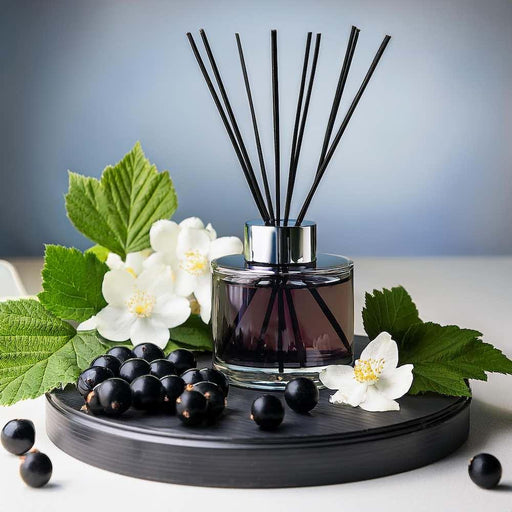
Baies Sauvage Reed Diffuser
In stock
Baies Sauvage — wild berries — is a fragrance that feels like it belongs in a beautifully curated home. Complex, layered, and quietly impressive. O...
View full details
Original price
£13.50
-
Original price
£13.50
Original price
£13.50
£13.50
-
£13.50
Current price
£13.50
Original price
£13.50
-
Original price
£13.50
Original price
£13.50
£13.50
-
£13.50
Current price
£13.50
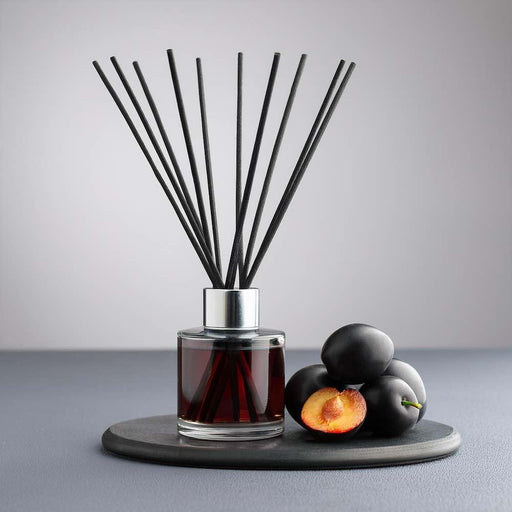
Black Plum and Rhubarb Reed Diffuser
In stock
Bold fruit, a sharp edge of rhubarb, and just enough sweetness to stop it feeling serious. Black Plum & Rhubarb is the diffuser for rooms that ...
View full details
Original price
£13.50
-
Original price
£13.50
Original price
£13.50
£13.50
-
£13.50
Current price
£13.50

Original price
£13.50
-
Original price
£13.50
Original price
£13.50
£13.50
-
£13.50
Current price
£13.50
Blackberry and Bay Reed Diffuser
In stock
There's something about blackberry and bay together that feels genuinely British — hedgerows, autumn walks, the kind of scent that belongs in a hom...
View full details
Original price
£13.50
-
Original price
£13.50
Original price
£13.50
£13.50
-
£13.50
Current price
£13.50
Original price
£13.50
-
Original price
£13.50
Original price
£13.50
£13.50
-
£13.50
Current price
£13.50
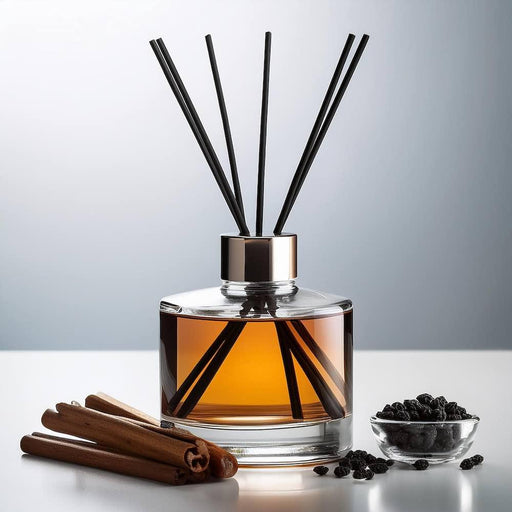
Blackpepper and Sandalwood Reed Diffuser
In stock
Warm, bold, and quietly commanding. Black Pepper & Sandalwood is the diffuser for rooms that want to feel like somewhere a grown-up lives. Our ...
View full details
Original price
£13.50
-
Original price
£13.50
Original price
£13.50
£13.50
-
£13.50
Current price
£13.50