

Are Reed Diffusers Safe? Enjoying Your Home Fragrance Safely
Reed diffusers have become a popular way to add pleasant aromas to our homes without the need for open flames, like candles, or the heat of electric diffusers.
They offer a beautiful, low-maintenance solution to keeping our spaces smelling fresh and inviting. However, as with any household product, it’s important to consider safety—especially if you have children, pets, or sensitive individuals in your home.
So, are reed diffusers safe? Let’s explore everything you need to know.
1. What Are Reed Diffusers?
A reed diffuser typically consists of a bottle filled with a scented oil and a set of porous reeds. The reeds soak up the oil and diffuse it into the air, filling the room with fragrance. Since there’s no flame or electricity involved, many people assume reed diffusers are completely safe, but the truth is a bit more nuanced.
2. Understanding Essential Oils and Fragrance Oils
One of the most important aspects of reed diffuser safety is understanding what kind of oil you’re using. Diffuser oils generally fall into two categories: essential oils and synthetic fragrance oils. Each has its own safety considerations.
-
Essential Oils
Essential oils are natural oils extracted from plants. They are highly concentrated and potent, often used in aromatherapy for their therapeutic properties. However, just because something is natural doesn’t mean it’s always safe in every context. Some essential oils can cause skin irritation, allergic reactions, or even toxicity, particularly when used around pets and young children. For example, eucalyptus, tea tree, and citrus oils are all known to be harmful to cats and dogs if ingested or inhaled in high quantities.
That said, essential oils are generally safe for adults when used correctly. To minimise risk, choose oils that are kid-safe and pet-friendly if you have little ones or animals in the house. -
Synthetic Fragrance Oils
Synthetic fragrance oils are chemically formulated to mimic natural scents, and they often contain additives that help enhance the fragrance’s longevity. While these oils can smell amazing, some people may be sensitive to the chemicals used. Fragrance oils can contain phthalates or other synthetic compounds that, when inhaled over a long period, may exacerbate respiratory issues like asthma or cause headaches and allergic reactions.
If you or anyone in your household has a history of sensitivity to fragrances, it’s best to test a small amount of any new diffuser oil to ensure it won’t cause any problems.
3. Where to Place Your Reed Diffuser for Maximum Safety

Proper placement of your reed diffuser plays a significant role in ensuring it remains a safe addition to your home. Here are a few guidelines to follow:
-
Keep it out of reach of children and pets
Curious toddlers and animals might find the reeds or the oil itself tempting to play with or chew on, which could result in accidental ingestion or skin contact. Essential oils, in particular, can cause serious harm if swallowed or rubbed into eyes, so make sure your diffuser is placed somewhere that tiny hands and paws can’t reach. -
Avoid high-traffic areas
Reed diffusers are typically made of glass, which can shatter if knocked over. Place the diffuser in a spot where it won’t be easily bumped or spilled, like on a shelf or mantel. In case of spills, wipe up the oil quickly to avoid damage to your furniture or flooring, as some oils can stain wood or fabrics. -
Use in well-ventilated areas
To prevent overwhelming anyone with too strong a scent—especially if using synthetic oils—place your reed diffuser in a well-ventilated area where air can circulate freely. This is particularly important if you’re prone to allergies, headaches, or asthma. Fresh air can help dilute the fragrance so it doesn’t become overpowering.
4. Dealing with Spills Safely

Spills happen, especially when reed diffusers are accidentally knocked over. If this happens, you’ll want to clean it up quickly and thoroughly. Here’s how to safely handle a spill:
-
Act fast
The longer the oil sits on a surface, the more likely it is to cause stains or damage. Use a clean, dry cloth or paper towels to soak up as much of the spilled oil as possible. -
Surface damage control
If the oil was spilled on wood, fabric, or another porous surface, it may leave a stain. Some oils can even strip finishes off furniture. In this case, use a mild soap and warm water to gently clean the area, being careful not to spread the oil further. -
Avoid skin contact
If the oil touches your skin, wash it off immediately with soap and water to prevent irritation. Some oils, especially essential oils, can cause rashes or sensitivity, particularly if they are undiluted.
5. Are Reed Diffusers Safe for Pets?

One of the most common concerns about reed diffusers is their safety for pets. Pets, particularly cats and dogs, can be sensitive to certain essential oils, and even inhaling the fumes can cause respiratory issues in some cases. Here are a few oils to avoid if you have pets:
- Tea tree oil
- Citrus oils (e.g., lemon, orange, grapefruit)
- Peppermint
- Eucalyptus
- Cinnamon
If you’re unsure whether a particular oil is safe for your pet, it’s always best to consult with your veterinarian. Alternatively, you can opt for pet-safe oils or synthetic oils that are less likely to cause harm. Always ensure your reed diffuser is out of reach, and never allow your pet to drink the diffuser liquid or chew on the reeds.
6. Safety for Children and Pregnant Women

If you have young children or are pregnant, it’s essential to take extra precautions when using reed diffusers. Some essential oils, such as clary sage, rosemary, or jasmine, are not recommended for use during pregnancy as they may stimulate contractions. Always consult a healthcare provider before using essential oils during pregnancy.
For homes with young children, consider choosing oils that are kid-safe and free from allergens or harsh chemicals. If possible, place the reed diffuser in a room where the children don’t spend much time, or use it sparingly when they aren’t around.
7. Conclusion: Reed Diffuser Safety Made Simple
In general, reed diffusers are a safe and effective way to fragrance your home, as long as you follow a few basic safety guidelines. Always be mindful of the type of oils you’re using, especially if you have pets, children, or sensitive individuals in the home. Place your diffuser out of reach to prevent accidents, and ensure you handle any spills promptly to avoid stains or skin irritation.
By taking these precautions, you can enjoy the beautiful scents of your favorite oils without worrying about compromising your household’s safety. Reed diffusers offer a wonderful, flame-free alternative to candles, making them an ideal choice for anyone seeking a low-maintenance way to keep their space smelling fresh and inviting.
Featured collection
Original price
£13.50
-
Original price
£13.50
Original price
£13.50
£13.50
-
£13.50
Current price
£13.50
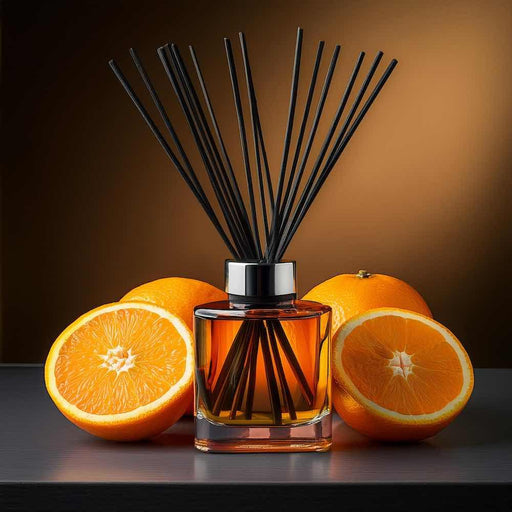
Amber & Sweet Orange Reed Diffuser
In stock
Citrus that wakes a room up. Amber that makes it feel like home. Our Amber & Sweet Orange Reed Diffuser does both — and it does them well. Hand...
View full details
Original price
£13.50
-
Original price
£13.50
Original price
£13.50
£13.50
-
£13.50
Current price
£13.50
Original price
£13.50
-
Original price
£13.50
Original price
£13.50
£13.50
-
£13.50
Current price
£13.50
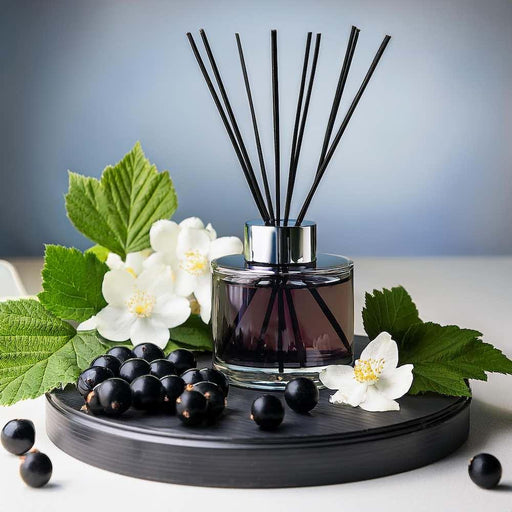
Baies Sauvage Reed Diffuser
In stock
Baies Sauvage — wild berries — is a fragrance that feels like it belongs in a beautifully curated home. Complex, layered, and quietly impressive. O...
View full details
Original price
£13.50
-
Original price
£13.50
Original price
£13.50
£13.50
-
£13.50
Current price
£13.50
Original price
£13.50
-
Original price
£13.50
Original price
£13.50
£13.50
-
£13.50
Current price
£13.50
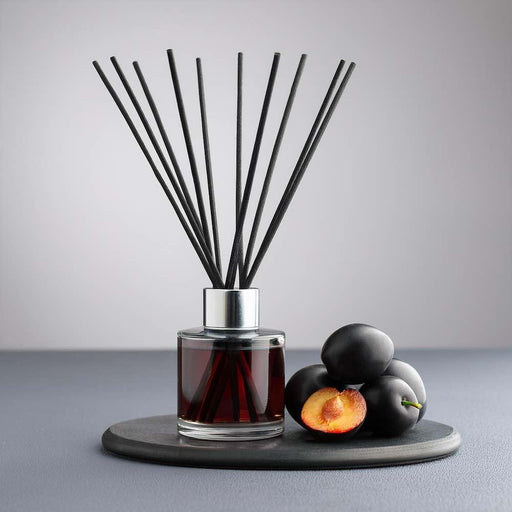
Black Plum and Rhubarb Reed Diffuser
In stock
Bold fruit, a sharp edge of rhubarb, and just enough sweetness to stop it feeling serious. Black Plum & Rhubarb is the diffuser for rooms that ...
View full details
Original price
£13.50
-
Original price
£13.50
Original price
£13.50
£13.50
-
£13.50
Current price
£13.50

Original price
£13.50
-
Original price
£13.50
Original price
£13.50
£13.50
-
£13.50
Current price
£13.50
Blackberry and Bay Reed Diffuser
In stock
There's something about blackberry and bay together that feels genuinely British — hedgerows, autumn walks, the kind of scent that belongs in a hom...
View full details
Original price
£13.50
-
Original price
£13.50
Original price
£13.50
£13.50
-
£13.50
Current price
£13.50
Original price
£13.50
-
Original price
£13.50
Original price
£13.50
£13.50
-
£13.50
Current price
£13.50
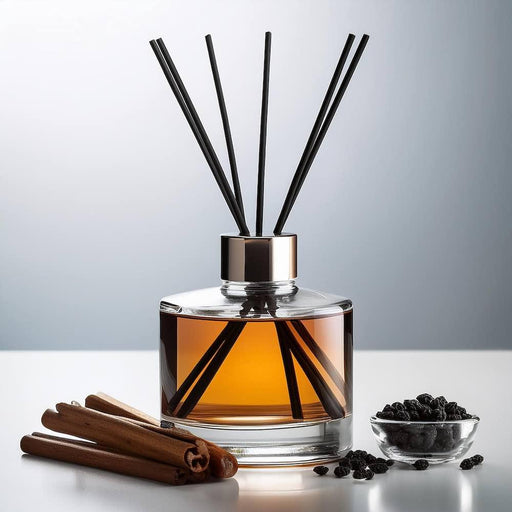
Blackpepper and Sandalwood Reed Diffuser
In stock
Warm, bold, and quietly commanding. Black Pepper & Sandalwood is the diffuser for rooms that want to feel like somewhere a grown-up lives. Our ...
View full details
Original price
£13.50
-
Original price
£13.50
Original price
£13.50
£13.50
-
£13.50
Current price
£13.50