

Why Can’t I Smell My Scented Candle? Common Reasons Explained
You’ve lit your candle, settled into your favourite spot and waited for the room to smell lovely. But the fragrance seems faint, or you noticed it at first and now it’s disappeared.
Before you decide the candle isn’t for you, it’s worth looking at the room, where you’ve placed it and how long it’s been burning. Sometimes the answer is simpler than you think.
Your nose might have got used to it
A fragrance can feel noticeable when you first enter a room, then seem to fade into the background. That doesn’t necessarily mean the candle has stopped releasing scent. With continuous exposure, your sense of smell can become less aware of a familiar fragrance.
If you’ve been sitting beside your candle for a while, don’t judge its strength just by leaning closer. Never leave a burning candle unattended.
The room might be asking too much of one candle
A small sitting room and an open-plan kitchen-diner are very different spaces to fragrance.
High ceilings, open doorways and a large floor area give scent more space to disperse. A candle that feels beautifully noticeable in a snug may seem much subtler in a larger room.
Match the candle to the space rather than expecting one size to work everywhere. Check the maker’s guidance when choosing a candle, particularly for an open-plan home. Our guide to choosing the right scented candle for your home is a useful place to start.

It may need a little more time
The smell of an unlit candle isn’t a perfect preview of how it will fragrance a room while burning.
A candle needs time to warm up and release fragrance into the surrounding air. Lighting it for a few minutes may not give you a useful impression of its performance.
Follow the candle’s own instructions for burn times. If the scent seems weak, burning it beyond the recommended maximum isn’t the answer.
Where you put it makes a difference
An open window, a fan or a draughty doorway can carry fragrance away from the area where you’re sitting. Draughts can also disturb the flame.
Choose a stable, heat-resistant surface away from draughts, with plenty of clearance from curtains, shelves and anything that could catch fire. Keep candles out of reach of children and pets, and never leave them burning unattended.
Think about placement as part of the experience, not just a styling decision. For a smaller space, explore our ideas on using a diffuser or candle in your downstairs toilet.

Some fragrances are naturally more understated
Not every candle is meant to announce itself from the hallway.
A soft fragrance can create a gentle background atmosphere, while a richer scent may feel more immediately noticeable. Your own preferences and sensitivity to particular fragrance notes matter, too.
When shopping online, look beyond the fragrance name. Read the description for clues about whether it sounds light and delicate or fuller and more enveloping. If you’re choosing something for the colder months, our winter candle scents for cosy evenings offers another starting point.
Check how the candle is burning
If the flame keeps going out, looks unusually large or produces visible smoke, don’t keep burning the candle in the hope of getting more fragrance.
Extinguish it safely, allow it to cool and check the care instructions. Wick care and recommended burn times are worth revisiting, but avoid improvising fixes or adding anything to the wax. You can also read our candle-care guide to wick trimming and burn times.
A little less competing fragrance can help
Cooking smells, cleaning products, room sprays and other scented products can make it harder to pick out one particular fragrance.
If you want to get a clearer sense of your candle, try enjoying it without several other fragrances competing for attention. There’s no need to make the room smell stronger and stronger.

Still barely noticing it?
If you’ve followed the care instructions, chosen a suitable space and given the candle time within its recommended burn period, contact the maker.
Tell them which candle you have, roughly how large the room is and how it has been burning. Those details are much more helpful than simply saying it doesn’t smell.
If you’re considering a different way to fragrance your space, our comparison of candles, diffusers and wax melts can help you weigh up the options.
The aim isn’t the strongest possible scent. It’s a fragrance you can enjoy comfortably in the room you’re actually using.
Featured collection
Original price
£13.50
-
Original price
£14.50
Original price
£13.50
-
£14.50
£13.50
-
£14.50
Current price
£13.50
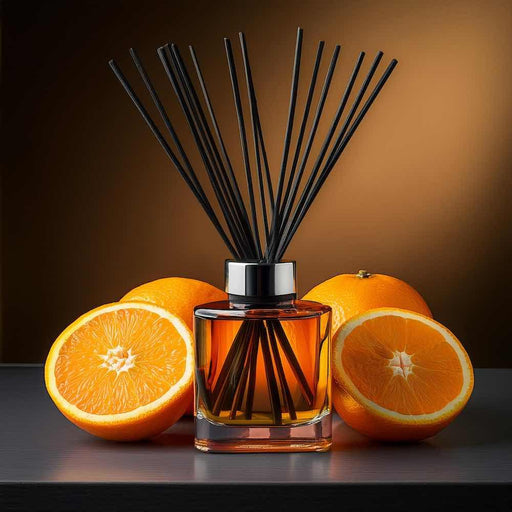
Amber & Sweet Orange Reed Diffuser
In stock
Citrus that wakes a room up. Amber that makes it feel like home. Our Amber & Sweet Orange Reed Diffuser does both — and it does them well. Hand...
View full details
Original price
£13.50
-
Original price
£14.50
Original price
£13.50
-
£14.50
£13.50
-
£14.50
Current price
£13.50
Original price
£13.50
-
Original price
£14.50
Original price
£13.50
-
£14.50
£13.50
-
£14.50
Current price
£13.50
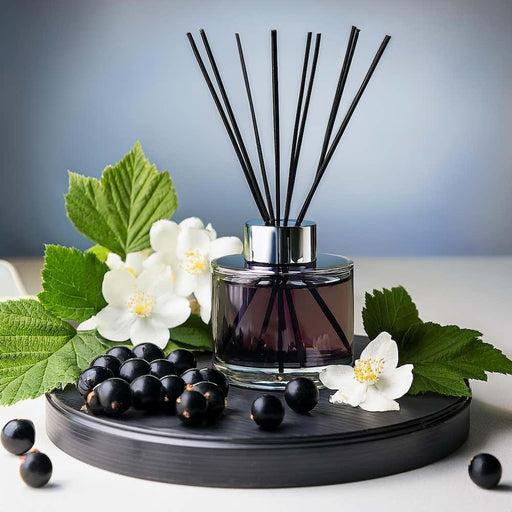
Baies Sauvage Reed Diffuser
In stock
Baies Sauvage — wild berries — is a fragrance that feels like it belongs in a beautifully curated home. Complex, layered, and quietly impressive. O...
View full details
Original price
£13.50
-
Original price
£14.50
Original price
£13.50
-
£14.50
£13.50
-
£14.50
Current price
£13.50
Original price
£13.50
-
Original price
£14.50
Original price
£13.50
-
£14.50
£13.50
-
£14.50
Current price
£13.50
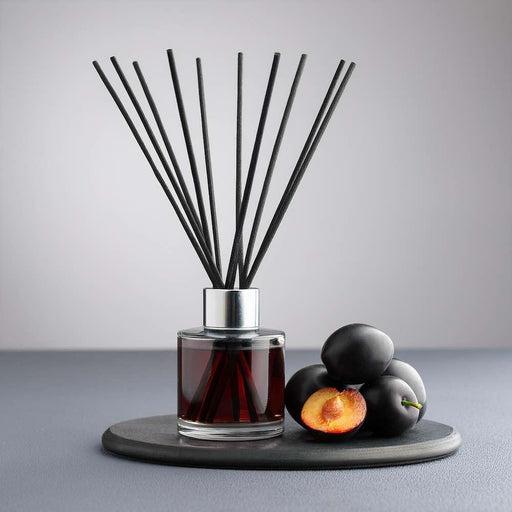
Black Plum and Rhubarb Reed Diffuser
In stock
Bold fruit, a sharp edge of rhubarb, and just enough sweetness to stop it feeling serious. Black Plum & Rhubarb is the diffuser for rooms that ...
View full details
Original price
£13.50
-
Original price
£14.50
Original price
£13.50
-
£14.50
£13.50
-
£14.50
Current price
£13.50

Original price
£13.50
-
Original price
£14.50
Original price
£13.50
-
£14.50
£13.50
-
£14.50
Current price
£13.50
Blackberry and Bay Reed Diffuser
In stock
There's something about blackberry and bay together that feels genuinely British — hedgerows, autumn walks, the kind of scent that belongs in a hom...
View full details
Original price
£13.50
-
Original price
£14.50
Original price
£13.50
-
£14.50
£13.50
-
£14.50
Current price
£13.50
Original price
£13.50
-
Original price
£14.50
Original price
£13.50
-
£14.50
£13.50
-
£14.50
Current price
£13.50
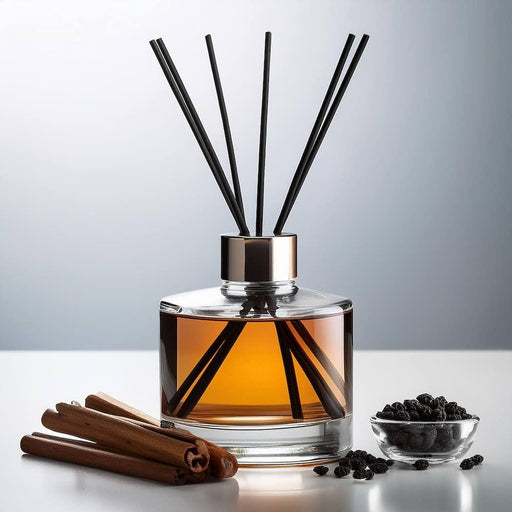
Blackpepper and Sandalwood Reed Diffuser
In stock
Warm, bold, and quietly commanding. Black Pepper & Sandalwood is the diffuser for rooms that want to feel like somewhere a grown-up lives. Our ...
View full details
Original price
£13.50
-
Original price
£14.50
Original price
£13.50
-
£14.50
£13.50
-
£14.50
Current price
£13.50