

Where Should You Put a Scented Candle?
The prettiest place for a candle isn't necessarily the best place to burn one.
A bookshelf styled with beautiful objects might look inviting. A windowsill might catch the last of the afternoon light. A coffee table might seem like the perfect finishing touch to a room. But when there's a naked flame involved, choosing the right position is about more than appearance.
A little thought about placement helps you enjoy your candle safely, while making the most of its fragrance.
Start with a suitable surface

Place your candle on a stable, level, heat-resistant surface, using a suitable holder or protective base where recommended by the manufacturer.
Don't assume that a glass jar will protect the furniture beneath it from heat. Always follow the candle's care instructions, and avoid narrow ledges, unstable surfaces, crowded tables or anywhere the candle could easily be knocked over.
Ideally, choose a clear space where the candle can sit undisturbed throughout the burn.
Look above and around your candle

A clear patch of table isn't enough on its own. Take a moment to look at the surrounding space, including anything positioned above the flame.
Keep burning candles well away from curtains, bedding, books, paper, decorations and other materials that could catch fire. Avoid placing them beneath shelves or inside enclosed display spaces.
Think about things that might move, too. Curtains can drift towards a flame when a window is open, while decorations or trailing fabrics can create hazards even when they initially appear to be at a safe distance.
When choosing a position, allow plenty of clear space around the candle.
Find a sheltered spot with good ventilation
Candles should be burned in a well-ventilated room, but away from draughts, fans, air-conditioning vents and open windows that direct moving air towards the flame.
Draughts can make a flame flicker, cause uneven burning and contribute to soot. However, placing a candle in a small, enclosed or poorly ventilated space isn't the answer either.
Look for a comfortable, sheltered position where air can circulate naturally without blowing directly across the flame.
If you notice a persistent draught, extinguish the candle and allow it to cool completely before moving it.
Choose somewhere you can keep an eye on it

A good candle position is one where you can remain nearby and supervise it throughout its use.
A hallway console might seem like a lovely place to welcome guests with fragrance, but it isn't a suitable burning position if everyone is spending the evening in another room. Similarly, a candle beside your bed should always be extinguished before you settle down to sleep.
Never leave a burning candle unattended. Extinguish it before leaving the room, leaving home or going to bed.
Consider children, pets and everyday activity
Think about how your home is used throughout the day, rather than how a room looks when everything is perfectly arranged.
A low coffee table might be within easy reach of a young child. A side table could sit beside a dog's favourite resting place. A dining table might bring a naked flame uncomfortably close to sleeves, napkins or serving dishes.
Keep burning candles out of reach of children and pets, and away from walkways, busy surfaces and places where someone might accidentally brush against them.
The ideal position is somewhere that doesn't interfere with the natural movement around your home.
Give multiple candles enough space
If you're enjoying more than one candle at a time, resist the temptation to arrange them too closely together.
West Yorkshire Fire and Rescue Service recommends leaving at least 10cm between burning candles. Always follow any greater spacing requirements specified by the manufacturer.
Remember that a decorative tray doesn't remove the need for appropriate heat protection, clearance or space around individual flames.
Where should you place a candle for the best fragrance?
Once you've found a suitable position from a safety point of view, you can think about how the fragrance will work in the room.
A candle that feels beautifully noticeable in a small sitting room may seem more subtle in a large, open-plan space. Similarly, the fragrance experience can vary depending on the size and layout of the room.
Choose a candle suited to the space, and follow its recommended burn time and care instructions. Avoid placing it in a draught or extending its burning time in an attempt to make the fragrance travel further.
The best position is one that allows you to enjoy the scent without compromising the conditions in which the candle is designed to burn.
When a room isn't suitable for a candle
Not every room offers an appropriate place for an open flame, and there's no need to force it.
If you can't find a suitable surface or a position away from combustible materials, consider enjoying your candle in another room instead.
For spaces where a naked flame isn't practical, a flameless fragrance alternative may be a better choice. Just remember to follow the placement and safety instructions for that product, too.
Ultimately, the best place for a scented candle is somewhere with a stable, suitable surface, plenty of clearance, good ventilation and no risk of accidental disturbance.
Beautiful fragrance should make your home feel more inviting. Choosing its position carefully helps you enjoy it with greater peace of mind.
Images are illustrative and do not replace the placement, clearance or care instructions supplied
Featured collection
Original price
£13.50
-
Original price
£14.50
Original price
£13.50
-
£14.50
£13.50
-
£14.50
Current price
£13.50
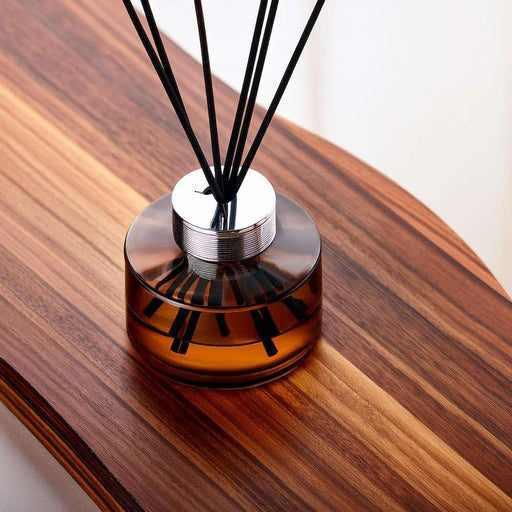
Mahogany & Teakwood Reed Diffuser
In stock
Rich woods. A hint of citrus to open. The kind of scent that makes a room feel considered rather than just fragranced. Our Mahogany & Teakwood ...
View full details
Original price
£13.50
-
Original price
£14.50
Original price
£13.50
-
£14.50
£13.50
-
£14.50
Current price
£13.50
Original price
£13.50
-
Original price
£14.50
Original price
£13.50
-
£14.50
£13.50
-
£14.50
Current price
£13.50
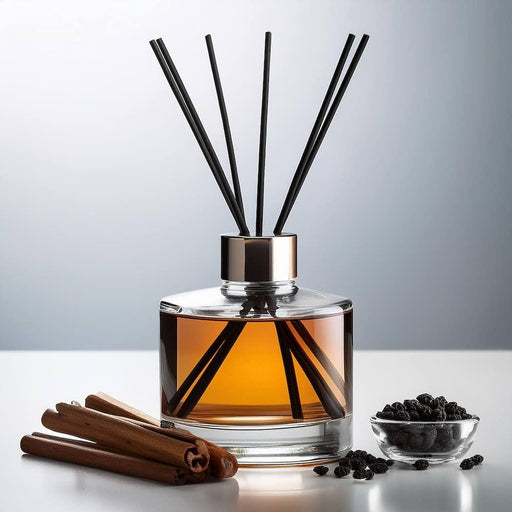
Blackpepper and Sandalwood Reed Diffuser
In stock
Warm, bold, and quietly commanding. Black Pepper & Sandalwood is the diffuser for rooms that want to feel like somewhere a grown-up lives. Our ...
View full details
Original price
£13.50
-
Original price
£14.50
Original price
£13.50
-
£14.50
£13.50
-
£14.50
Current price
£13.50
Original price
£13.50
-
Original price
£14.50
Original price
£13.50
-
£14.50
£13.50
-
£14.50
Current price
£13.50
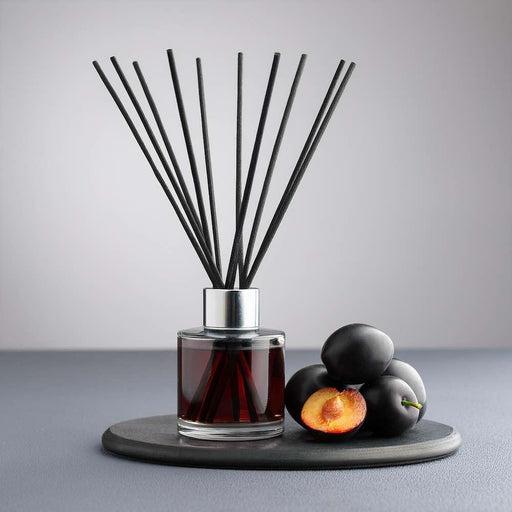
Black Plum and Rhubarb Reed Diffuser
In stock
Bold fruit, a sharp edge of rhubarb, and just enough sweetness to stop it feeling serious. Black Plum & Rhubarb is the diffuser for rooms that ...
View full details
Original price
£13.50
-
Original price
£14.50
Original price
£13.50
-
£14.50
£13.50
-
£14.50
Current price
£13.50

Original price
£13.50
-
Original price
£14.50
Original price
£13.50
-
£14.50
£13.50
-
£14.50
Current price
£13.50
Blue Coral and Seasalt Reed Diffuser
Low stock
Crystal-clear water. A light breeze. The particular stillness of a coastline on a calm day. Blue Coral & Sea Salt brings that feeling into any ...
View full details
Original price
£13.50
-
Original price
£14.50
Original price
£13.50
-
£14.50
£13.50
-
£14.50
Current price
£13.50
Original price
£13.50
-
Original price
£14.50
Original price
£13.50
-
£14.50
£13.50
-
£14.50
Current price
£13.50
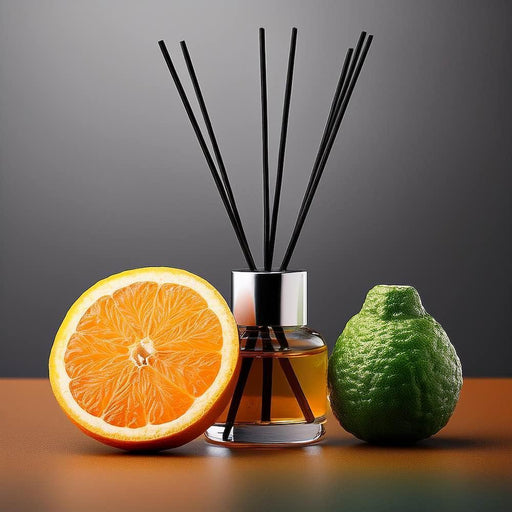
Orange & Bergamot Reed Diffuser
In stock
Sunshine in a bottle isn't a cliché when the fragrance actually delivers it. Orange & Bergamot is one of those scents that makes a room feel in...
View full details
Original price
£13.50
-
Original price
£14.50
Original price
£13.50
-
£14.50
£13.50
-
£14.50
Current price
£13.50